

Museo Nacional de Kuwait: Descubre el Pasado del País
El Museo Nacional de Kuwait es más que solo un edificio lleno de artefactos—es un hito cultural que cuenta la historia de los orígenes, la herencia y el viaje hacia la modernidad de la nación. Ubicado en el corazón de la ciudad de Kuwait, el museo es un destino imprescindible para viajeros y residentes que desean entender el rico pasado y la vibrante identidad cultural del país.
Desde hallazgos arqueológicos antiguos hasta exhibiciones que muestran las tradiciones kuwaitíes, el museo pinta un vívido retrato de cómo vivieron, evolucionaron y abrazaron el mundo moderno los habitantes de esta nación del Golfo, mientras mantenían sus raíces. Ya seas un entusiasta de la historia, un viajero curioso o alguien interesado en la cultura del Golfo, el Museo Nacional de Kuwait ofrece perspectivas que van mucho más allá de una atracción turística típica.
¿Por qué visitar el Museo Nacional de Kuwait?
Una visita al museo no se trata solo de mirar exhibiciones; es un viaje inmersivo a través de la historia y las tradiciones de Kuwait. El museo fue establecido con la visión de preservar el patrimonio cultural de Kuwait y presentarlo de manera atractiva para las generaciones futuras.
Las razones clave para visitar incluyen:
-
Preservación Cultural: El museo alberga artefactos que datan de los primeros días de Kuwait, asegurando que las generaciones futuras puedan conectar con su herencia.
-
Experiencia Educativa: Los visitantes adquieren conocimientos sobre la arqueología de Kuwait, la historia marítima y los estilos de vida tradicionales.
-
Significado Arquitectónico: Diseñada por el arquitecto francés Michel Ecochard, la estructura del museo refleja una mezcla de diseño moderno y autenticidad cultural.
Explorando las Exposiciones
El Museo Nacional de Kuwait está dividido en secciones que se centran en diferentes aspectos de la historia y el patrimonio de la nación. Cada exposición ofrece una perspectiva única sobre el estilo de vida kuwaití, tanto del pasado como del presente.
-
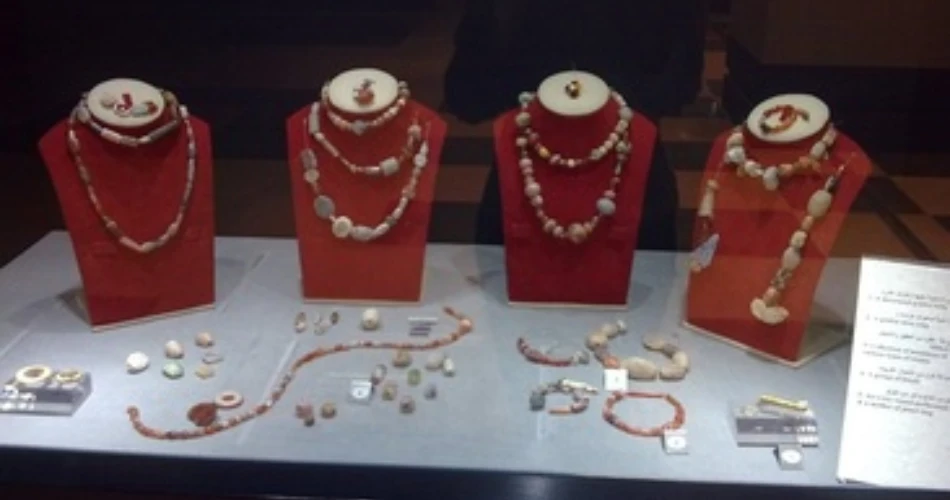
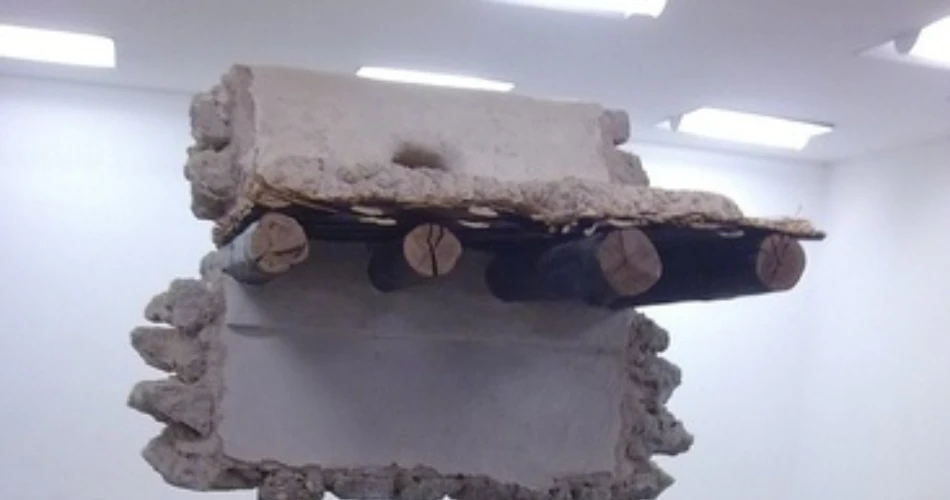
Exhibiciones Arqueológicas: Estas exhibiciones muestran artefactos de asentamientos antiguos, dando a los visitantes un vistazo a la vida antes de que el petróleo transformara el país. La cerámica, herramientas y reliquias destacan la ingeniosidad de las primeras comunidades en la región.
-
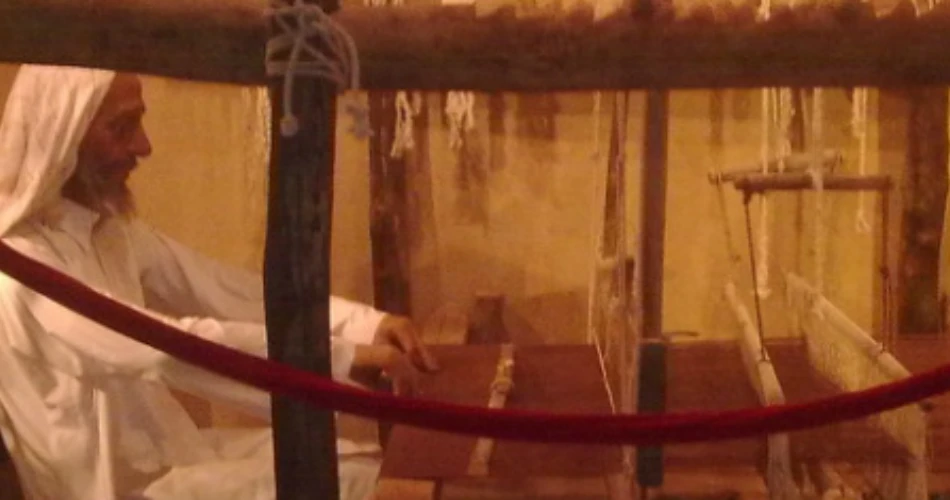
Sala del Patrimonio: Una sección fascinante dedicada a las tradiciones kuwaitíes, incluyendo vestimenta, artesanías y artículos del hogar. Esta sala refleja las vidas diarias de los kuwaitíes antes de la era de modernización, ofreciendo una visión de su resiliencia y valores culturales.
-
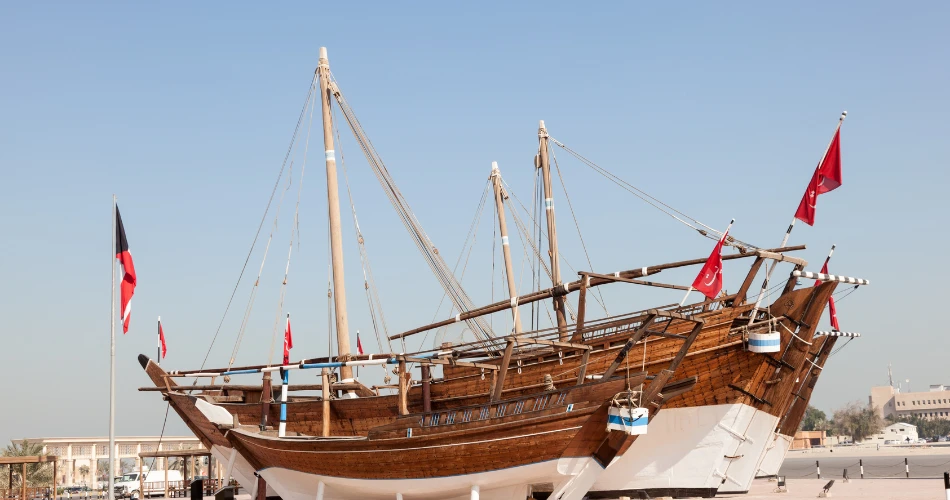
Sala Marítima: Kuwait ha estado ligado al mar durante mucho tiempo, y la Sala Marítima celebra esta conexión. Los visitantes pueden explorar exhibiciones de barcos de madera, herramientas de buceo para perlas y modelos que ilustran las tradiciones marítimas del país.
-
Planetario: Una adición única que ofrece experiencias educativas sobre el universo y la navegación celeste. Esto es especialmente relevante ya que los marineros kuwaitíes tradicionales dependían de las estrellas para navegar.
Cada una de estas secciones ayuda a los visitantes a apreciar cómo la historia de Kuwait está entrelazada con su entorno natural y la resiliencia de su gente.
Ubicación y Accesibilidad
El museo está estratégicamente ubicado en Sharq, Ciudad de Kuwait, lo que lo hace fácilmente accesible tanto para locales como para turistas. Su ubicación central cerca de los icónicos monumentos de Kuwait asegura que los visitantes puedan incluirlo convenientemente en su itinerario de turismo.
Información para Visitar:
-
Horarios de Apertura: Típicamente abierto desde la mañana hasta temprano en la tarde, aunque los horarios pueden variar los fines de semana y días festivos.
-
Admisión: La entrada es a menudo gratuita, lo que lo convierte en una de las atracciones culturales más accesibles en Kuwait.
-
Cómo Llegar: Los taxis y las aplicaciones de transporte son la forma más fácil de llegar al museo. Los autobuses públicos también conectan con el área.
Consejos para visitar el Museo Nacional de Kuwait
Para aprovechar al máximo su visita, tenga en cuenta estos consejos:
-
Planifique con antelación: Verifique los horarios de apertura con anticipación, ya que los horarios pueden cambiar durante las festividades o eventos especiales.
-
Dedique suficiente tiempo: Dedique al menos dos horas para explorar completamente las secciones principales del museo sin prisa.
-
Tome visitas guiadas: Si están disponibles, las visitas guiadas pueden enriquecer su experiencia al proporcionar información más profunda sobre las exhibiciones.
-
Respete la cultura: Recuerde que el museo refleja los valores culturales y religiosos de Kuwait, así que vístase modestamente y compórtese respetuosamente.
-
Combínelo con atracciones cercanas: El museo está cerca de monumentos como las Torres de Kuwait y la Gran Mezquita, lo que facilita planificar un día cultural.
Por qué el Museo es Importante Hoy en Día
En el mundo globalizado y acelerado de hoy, instituciones como el Museo Nacional de Kuwait juegan un papel vital. Ayudan a preservar tradiciones mientras educan tanto a los locales como a los visitantes sobre la identidad de la nación. Para los jóvenes kuwaitíes, el museo fomenta el orgullo por su patrimonio. Para los turistas, proporciona una comprensión más profunda de Kuwait más allá de su moderno horizonte y su reputación rica en petróleo.
El museo también sirve como un recordatorio de la resiliencia del pueblo kuwaití. Durante la Guerra del Golfo de 1990, el museo fue saqueado y muchos artefactos fueron destruidos o robados. A pesar de esta tragedia, Kuwait ha trabajado para restaurar y reconstruir sus tesoros culturales, reforzando la importancia de la preservación del patrimonio.
Pensamientos Finales
El Museo Nacional de Kuwait es más que una atracción; es un viaje a través del tiempo que captura la esencia de la historia, cultura y resiliencia de Kuwait. Ya sea que te fascine la arqueología, las tradiciones marítimas, o simplemente desees entender el alma de la nación, este museo ofrece una experiencia significativa.
Para los viajeros, es una oportunidad para ir más allá de la superficie del moderno horizonte de Kuwait City y sumergirse en las historias que dieron forma al país. Para los locales, es un símbolo orgulloso de identidad y tradición.
Si estás planeando un viaje a Kuwait, asegúrate de agregar el Museo Nacional de Kuwait a tu itinerario. No es solo una visita; es una experiencia que te conecta con el pasado mientras te ayuda a apreciar el presente y futuro del país.