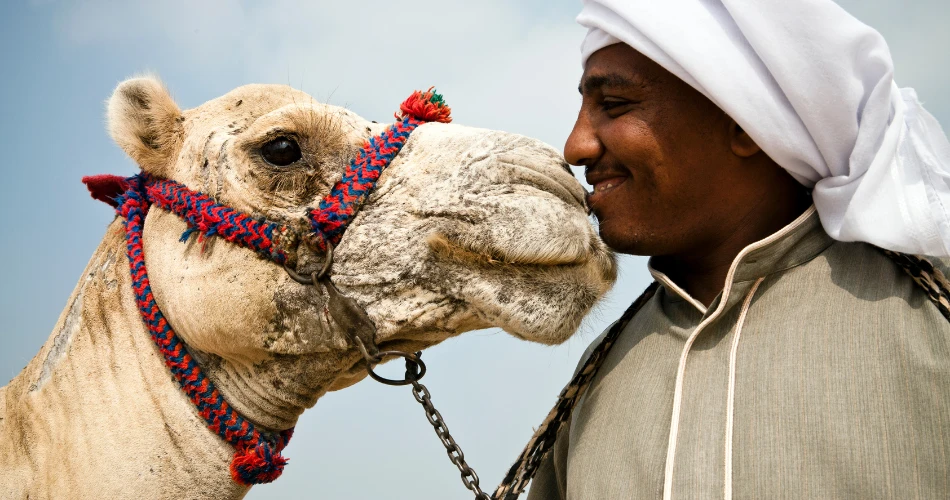

Sadu House: Preserving Kuwait’s Bedouin Heritage
A cultural landmark celebrating traditional Bedouin weaving, artistry, and Kuwait’s rich heritage.
Sadu House: Preserving Kuwait’s Bedouin Heritage
Kuwait is a land where modern skyscrapers meet the echoes of ancient desert traditions. Among the country’s most remarkable cultural treasures stands Sadu House Kuwait, a heritage center dedicated to preserving the artistry of Bedouin weaving and the stories it carries. More than just a museum, Sadu House is a living tribute to Kuwait’s identity, resilience, and craftsmanship, offering visitors a deep look into the world of traditional Bedouin life.
The History of Sadu House Kuwait
Sadu House, known locally as Bayt Al-Sadu, is a cultural museum located near Kuwait’s National Museum. It was established in 1980 as part of a community initiative to preserve Bedouin weaving techniques, which were at risk of fading in the face of modernization.
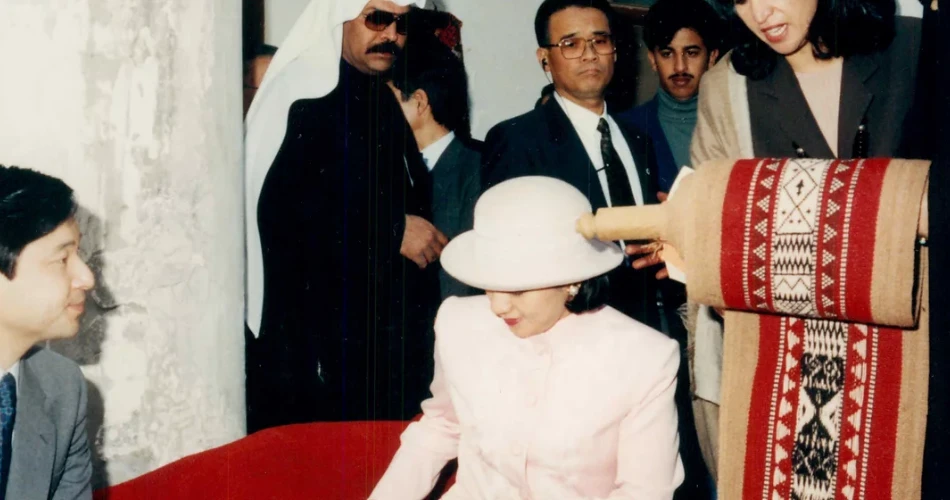
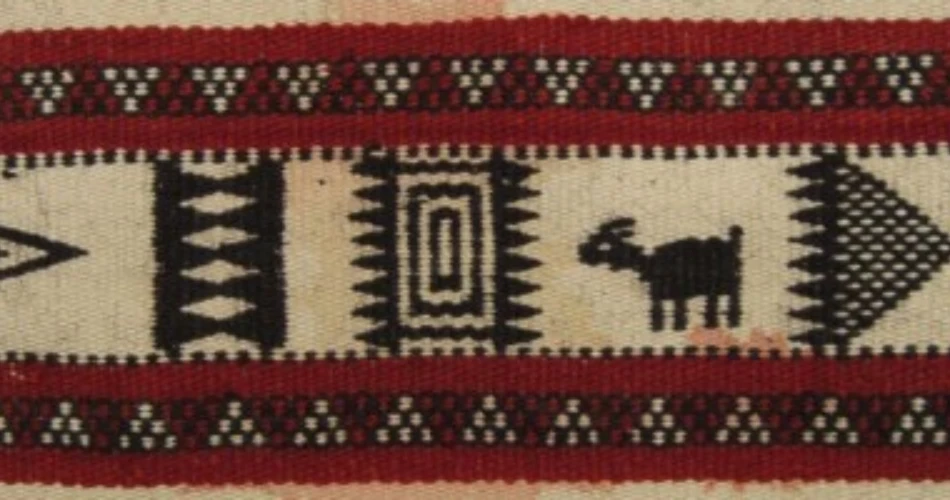
The Bedouins, nomadic tribes who roamed the Arabian Desert, used weaving as both a practical and artistic craft. Their distinctive geometric patterns and bold colors, woven into tents, rugs, camel saddlebags, and clothing, were not only useful but also symbolic. Each design carried meaning—representing family heritage, tribal identity, and life in the desert.
Sadu House became a vital institution for ensuring these traditions would not be lost. Today, it functions as a museum, workshop space, cultural hub, and gathering point for anyone interested in Kuwaiti culture and heritage.
The Art of Al Sadu Weaving
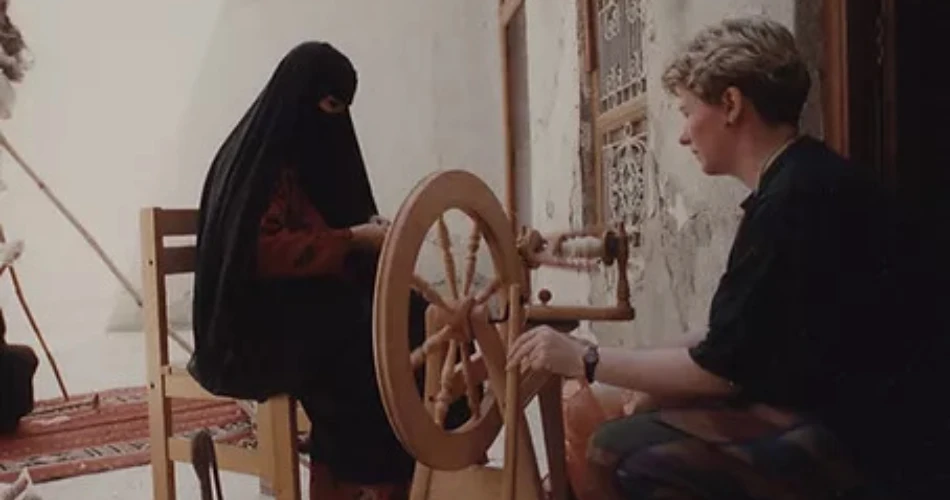
At the heart of Sadu House lies the craft of Al Sadu weaving. Traditionally practiced by Bedouin women, Al Sadu is a weaving technique using wool from sheep, camels, or goats.
The process is both intricate and symbolic:
-
Preparation of Wool: Wool is sheared, cleaned, spun, and dyed using natural pigments.
-
Weaving Technique: The threads are carefully handwoven on a ground loom, creating bold geometric patterns.
-
Symbolism: Each pattern, from zigzags to diamonds, represents desert elements, tribal symbols, or aspects of nomadic life.
Visitors to Sadu House can observe these unique patterns firsthand, gaining appreciation for the heritage-rich artistry that once defined everyday life in the desert.
What Visitors Can Experience at Sadu House
Sadu House is more than a static museum—it’s an interactive cultural space designed to connect visitors with Bedouin traditions. Some of the highlights include:
-
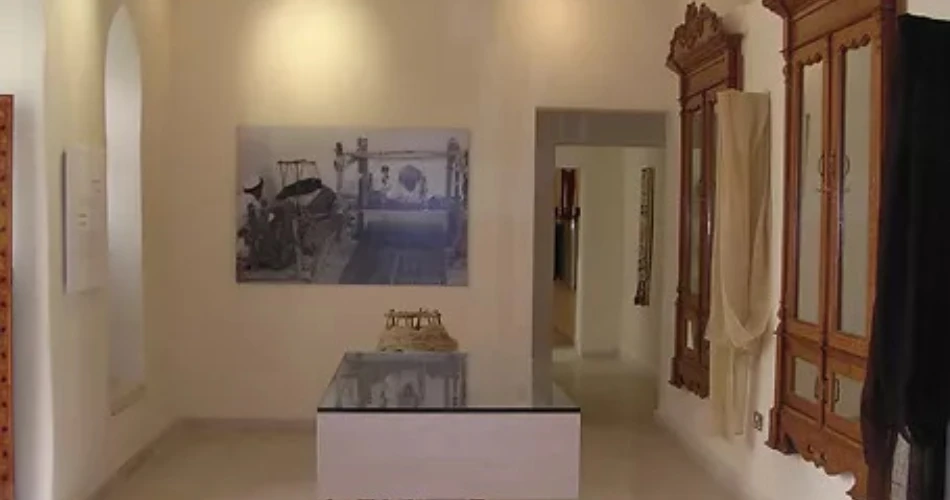
Exhibitions of Traditional Weaving – Showcasing original Bedouin textiles, tools, and looms.
-
Workshops & Live Demonstrations – Hands-on sessions where guests can try weaving techniques themselves.
-
Cultural Events & Lectures – Regular events on Kuwaiti heritage, storytelling, and Bedouin music.
-
Gift Shop – Authentic handmade products including rugs, scarves, and textiles that make unique souvenirs.
For travelers, Sadu House offers not just sightseeing, but a cultural immersion into Kuwait’s heritage.
Why Sadu House Matters Today
As Kuwait continues to modernize rapidly, institutions like Sadu House serve a vital role in preserving identity. Globalization has brought many benefits, but it also threatens to erode cultural traditions. Sadu House ensures that Bedouin weaving and storytelling remain alive for future generations.
Moreover, Sadu House supports local artisans by providing a platform to showcase and sell their work. This not only keeps the craft alive but also empowers local communities economically.
For Kuwaiti youth, the house is a reminder of their roots, teaching them to value tradition while embracing the future. For tourists, it offers a deeper, more authentic understanding of Kuwait beyond its modern skyline.
The Future of Bedouin Heritage
Sadu House continues to evolve, blending tradition with innovation. Digital exhibits, educational programs, and partnerships with international cultural institutions are helping to spread awareness about Kuwait’s Bedouin heritage globally.
By supporting places like Sadu House—whether through visits, purchases, or cultural programs—visitors play an active role in ensuring that these traditions endure.
Conclusion: A Living Legacy in Kuwait
Sadu House Kuwait is more than a cultural site; it is a living legacy of Bedouin heritage. Its walls tell stories of resilience, artistry, and community, reminding us that tradition and modernity can coexist harmoniously.
For anyone visiting Kuwait, Sadu House is not just a stop on the itinerary—it is a journey into the soul of the desert, where woven threads connect past and present. Whether you’re a traveler, history enthusiast, or art lover, a visit to Sadu House will leave you with a deeper appreciation of Kuwait’s cultural identity.


About Author
Amelia has a great eye for photography. She has traveled to over 30 countries and has produced great videography and photos, along with penning them down with her writing skills. She has also worked with many top travel photographers.