

Exploring Kuwait City’s finest hidden cultural treasure filled with Islamic art, jewelry, calligraphy, and timeless heritage.
Kuveyt Şehri'nde Gizli Bir Hazine: Tareq Rajab Müzesi
Küveyt Şehri'ni düşünen gezginler genellikle yüksek gökdelenlerini, hareketli pazarlarını ve deniz kenarı yürüyüş yollarını hayal ederler. Ancak sessiz bir mahallede, şehrin en büyük kültürel hazinelerinden biri—Tareq Rajab Müzesi—saklıdır. Bu gizli hazine, İslam sanatı, mirası ve tarihi üzerine derin bir yolculuk sunarak, meraklı gezginler ve kültür tutkunları için mutlaka ziyaret edilmesi gereken bir yer haline getiriyor.
Tareq Rajab Müzesi'nin Kısa Tarihi
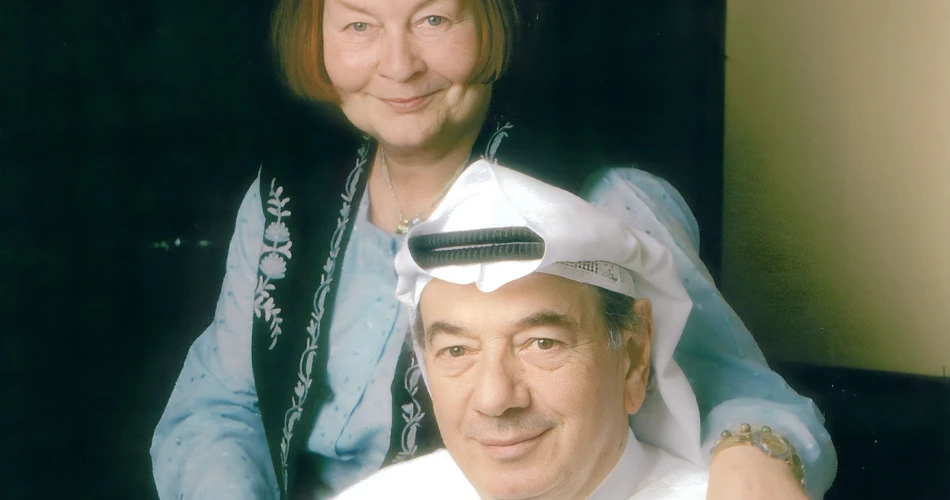
Tareq Rajab Müzesi, Tareq Sayed Rajab ve eşi Jeannette Rajab tarafından 1980'lerde kurulmuştur. Özel bir koleksiyon olarak başlayan bu müze, bölgedeki en etkileyici İslam sanatı ve kültürel eserler sergilerinden biri haline gelmiştir. Çift, on yıllar boyunca Orta Doğu, Asya ve Afrika'da seyahat ederek nadir sanat eserleri, hat sanatı, takılar, seramikler, kostümler ve el yazmaları edinmiştir.
Kuveyt Şehri'nin Jabriya semtinde bulunan müze, Kuveyt'teki diğer turistik yerlere kıyasla biraz daha az bilinen bir yer olma özelliğini koruyarak ona benzersiz bir çekicilik katmaktadır. Ziyaretçiler genellikle burayı, her köşesinin sanatçılık, zanaatkarlık ve tarih hakkında bir hikaye anlattığı bir zaman kapsülüne adım atmak olarak tanımlamaktadır.
Müzede Görülecekler
Tareq Rajab Müzesi, 30.000'den fazla esere ev sahipliği yapmaktadır, ancak bu eserlerin yalnızca bir kısmı her zaman sergilenmektedir. Sergiler, Arap dünyasından Hindistan'a, Pers'e, Çin'e ve ötesine kadar geniş bir coğrafi yelpazeyi kapsamaktadır. İşte bazı öne çıkanlar:
-
İslami Hat Sanatı ve El Yazmaları – Müze, zarif Kuranlar, hat panelleri ve nadir el yazmaları barındırmaktadır. Bu eserler, Arap alfabesinin evrimini ve etrafındaki sanatı sergilemektedir.
-
Geleneksel Takılar – Körfez, Yemen ve Orta Asya'dan gelen altın, gümüş ve inci takılardan oluşan göz alıcı bir koleksiyon, yüzyıllar süren zanaatkârlığı yansıtmaktadır. Her parça, gelenek, ticaret ve sanatın hikayesini anlatmaktadır.
-
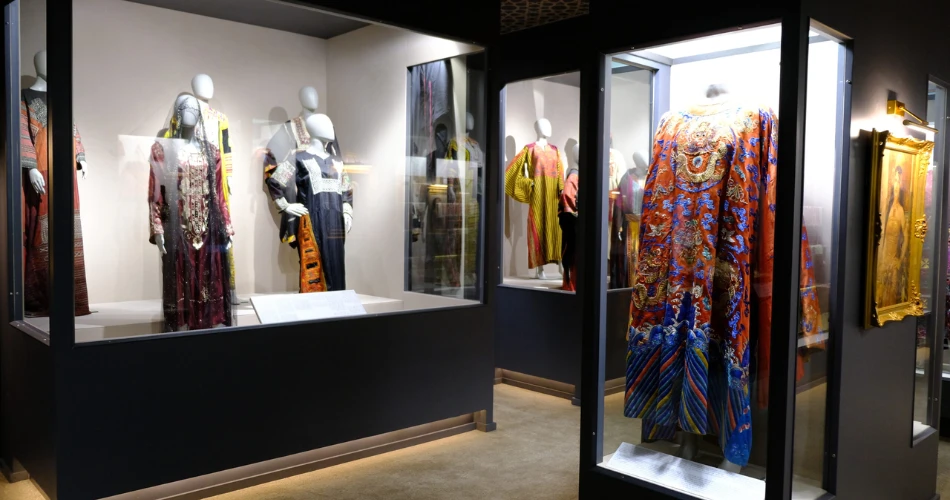
Kostümler ve Tekstiller – İslam dünyasındaki çeşitli bölgelerden gelen renkli giysiler, cüppeler ve geleneksel kostümler kültürel kimliği ve bölgesel etkileri yansıtmaktadır. Tekstil bölümü, tasarım ve moda tarihiyle ilgilenenler için özellikle büyüleyicidir.
-
Seramikler ve Metal İşlemeleri – Osmanlı dönemi seramiklerinden Pers ve Hindistan'dan gelen karmaşık metal işçiliğine kadar müze, hem günlük nesneleri hem de bir zamanlar sarayları süsleyen lüks eşyaları vurgulamaktadır.
-
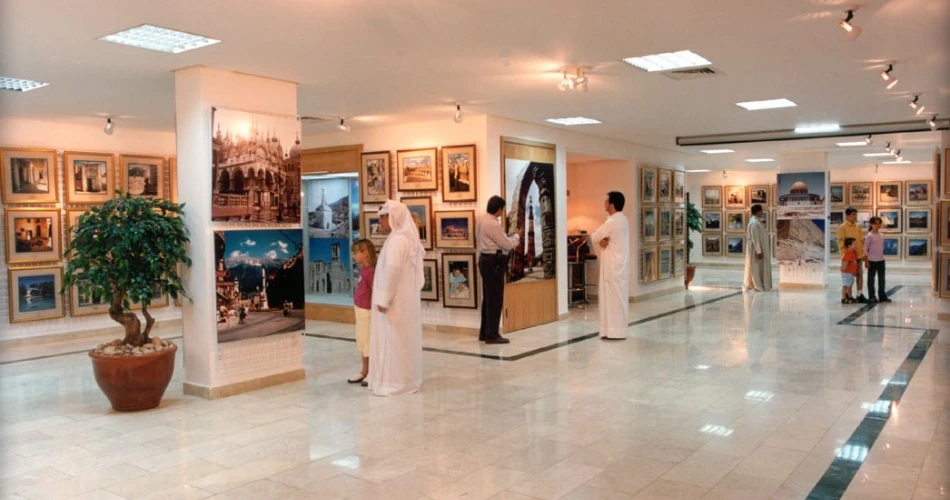
Fotoğraf Arşivi – Tareq Rajab kendisi tutkulu bir fotoğrafçıydı ve müze, 20. yüzyılda Kuveyt'teki yaşamı ve daha geniş Arap dünyasını belgeleyen dikkate değer bir fotoğraf koleksiyonu içermektedir.
Her sergi dikkatle düzenlenmiş olup, ziyaretçilerin eserlerin tarihi ve kültürel önemini anlamalarına yardımcı olan açıklayıcı notlar içermektedir.
Tareq Rajab Müzesi Neden Ziyaret Edilmesi Gereken Bir Yer
Büyük, modern müzelerin aksine, Tareq Rajab Müzesi samimi bir atmosfere sahiptir. Göreceli olarak küçük boyutu, ziyaretçilerin detayları aşırı yüklenmeden, rahat bir tempoda keşfetmelerine olanak tanır. Bu müzenin Kuveyt seyahatinizde yer almayı hak ettiği birkaç neden:
-
Özgünlük ve Tutku – Koleksiyon, sadece kurumsal hırsla değil, kişisel bir özveri ile oluşturulmuştur. Kurucuların tutkusunu her köşede hissedebilirsiniz.
-
Kültürel Eğitim – Müze, İslam sanatını ders kitaplarının ötesinde öğrenmek için nadir bir fırsat sunarak tarihi somut nesneler aracılığıyla canlandırıyor.
-
Gizli Hazine Çekiciliği – Kuveyt'e giden birçok ziyaretçi bu müzeden hiç haberdar olmaz; bu da onu sıradan turistik yerlerin ötesini keşfetmek isteyenler için özel bir keşif haline getiriyor.
-
Çeşitli Koleksiyonlar – Hat sanatı ve takılardan oluşan sergiler, herkes için bir şeyler sunduğundan emin; ister tarih meraklısı, ister sanatsever olun, ya da sadece meraklı olun.
Ziyaret İçin Pratik İpuçları
Ziyaretinizden en iyi şekilde yararlanmak için işte bazı faydalı ipuçları:
-
Konum – Müze Jabriya'dadır ve Kuveyt Şehri'nin merkezinden araba ile yaklaşık 15 dakika mesafededir. Taksi almak veya bir yolculuk paylaşım uygulaması kullanmak en iyisidir, çünkü toplu taşıma sınırlıdır.
-
Açılış Saatleri – Zamanlamalar değişebileceğinden, önceden kontrol edin. Müze genellikle sabah açılır ve akşam erken saatlerde kapanır; bazı günler özel ziyaretler için ayrılmıştır.
-
Modest Giyinin – Kuveyt'teki çoğu kültürel alan gibi, yerel geleneklere saygı göstermek için mütevazı kıyafetler giymeniz önerilir.
-
Fotoğraf Çekimi – Bazı bölümlerde fotoğraf çekimine izin verilirken, diğerlerinde özellikle hassas el yazmaları söz konusu olduğunda izin verilmez. Fotoğraf çekmeden önce her zaman izin isteyin.
-
Giriş Ücreti – Kültürün korunmasına katkıda bulunmak amacıyla küçük bir giriş ücreti talep edilebilir.
Müze Ötesini Keşfetmek
Tareq Rajab Müzesi'ni keşfettikten sonra, Kuveyt Şehri'ndeki kültürel yolculuğunuzu yakınlardaki diğer cazibe merkezlerini ziyaret ederek uzatabilirsiniz:
-
Kuveyt Ulusal Müzesi – Kuveyt'in tarihi ve mirası hakkında daha geniş bilgiler sunar.
-
Al Qurain Şehitler Müzesi – Kuveyt'in modern tarihine ve Körfez Savaşı sırasında direnişe adanmıştır.
-
Souq Al-Mubarakiya – Baharatlar, parfümler ve el yapımı ürünler satın alabileceğiniz geleneksel bir pazar.
Tareq Rajab Müzesi'ni bu mekanlarla birleştirmek, Kuveyt Şehri'nde dengeli bir kültürel deneyim oluşturur.

Sonuç: Keşfedilmeyi Bekleyen Bir Kültürel Hazine
Tareq Rajab Müzesi, yalnızca bir eser koleksiyonu değil; İslam sanatının, mirasının ve zanaatkarlığının yüzyıllar boyunca süren bir yolculuğudur. Sıradanın ötesinde bir şey arayan gezginler için, Kuveyt Şehri'ndeki bu gizli hazine, ziyaret sona erdikten sonra bile uzun süre akılda kalacak samimi ve zenginleştirici bir deneyim sunmaktadır.
İster bir tarih meraklısı, ister bir sanat tutkunuz, ister sadece meraklı bir gezgin olun, Tareq Rajab Müzesi sizi kültürel güzellik ve keşif dünyasına adım atmaya davet ediyor. Bir sonraki Kuveyt ziyaretinizde, bu dikkate değer müzeyi programınıza eklemeyi unutmayın—bu büyüleyici bölgeyi şekillendiren sanat ve tarihe daha derin bir takdirle ayrılacaksınız.